What Causes Sleep Apnea
Sleep apnea is more common than most people realize, and it often goes undiagnosed. Many people think loud snoring or restless sleep is harmless, but it could be a sign that your breathing is being interrupted throughout the night. Over time, these interruptions can affect not just your rest, but your heart health, energy levels, and overall well-being.
What Is Sleep Apnea & What Causes It?
Sleep apnea is a disorder where breathing repeatedly stops and starts throughout the night. The most common type is obstructive sleep apnea (OSA), which is caused by a blockage in the airway. This blockage can come from a number of different causes, including:
- Tongue or jaw position: The tongue can fall back and block airflow, especially when lying on your back.
- Relaxation of throat muscles: During sleep, muscles at the back of the throat relax, which narrows or closes the airway.
- Anatomy: Having a smaller jaw, thick neck, enlarged tonsils, or a deviated septum can increase the risk.
- Nasal congestion: Whether caused by allergies or other conditions, these make it harder to breathe through the nose. This encourages mouth breathing and airway collapse.
- Excess weight: Fat deposits around the upper neck can obstruct breathing.
Because there are so many factors that can contribute to sleep apnea, it often takes a professional evaluation, sometimes with the help of your dentist, to identify the root cause.
Who's Most at Risk?
While anyone can develop sleep apnea, certain people are far more likely to experience it due to lifestyle, health, or genetic factors. Men are more commonly affected than women, though the risk for women rises after menopause. People who are overweight, smoke, frequently drink alcohol, or use sedatives are also at higher risk because these factors relax airway muscles or add pressure to the throat. Those with chronic nasal congestions, allergies, or sinus problems may find breathing through the nose difficult, which contributes to airway obstruction.
Age can also play a role, as the likelihood of sleep apnea increases after 40. However, it is possible for even children to develop it if they have enlarged tonsils or adenoids. A history of sleep apnea if your family can also increase the risk.

The Health Impact of Sleep Apnea
Disrupted sleep affects the body in many ways, some of which are easy to recognize. Poor sleep often leads to fatigue, morning headaches, mood swings and irritability. It’s also common to have decreased focus and memory issues. These factors can make it hard to function and keep on top of your daily tasks.
If not improved, a lack of sleep can have long-term health effects as well. It comes with an increased risk of high blood pressure, heart disease, stroke, and diabetes. It can also weaken your immune system and slow recovery times from illness as well.
The sooner sleep apnea is identified, the easier it is to manage and prevent future complications. Dentists can often spot early signs during routine exams, sometimes before patients realize they have a problem.
How a Dentist Can Help with Sleep Apnea
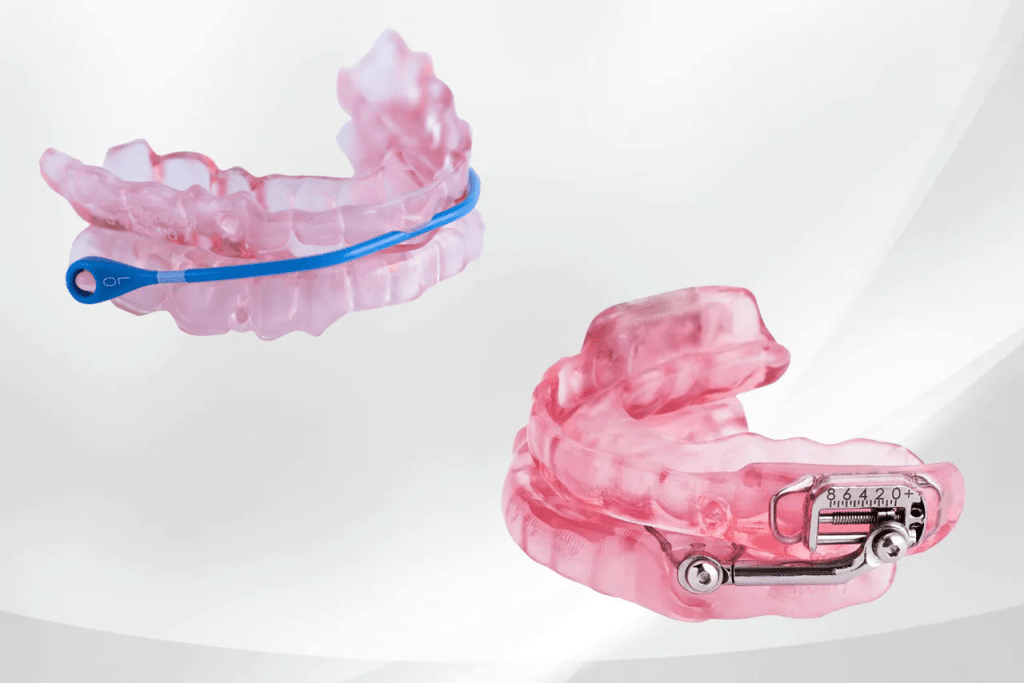
Many people are surprised to learn that dentists can play a key role in diagnosing and treating sleep apnea, especially when it’s caused by airway obstruction or jaw position. At Epic Family Dental, Dr. Sorge looks for signs of sleep apnea during routine exams, such as worn teeth (a sign of nighttime grinding), tongue indentations, or a narrow airway. If symptoms suggest sleep apnea, we may recommend a sleep study to confirm a diagnosis.
For mild or moderate obstructive sleep apnea, a custom oral appliance can be created to gently reposition the jaw or tongue to keep the airway open during sleep. These appliances are more comfortable and easier to wear than a CPAP machine, as well as being portable, quiet, and easy to clean. They have been proven to reduce snoring and improve airflow in many cases of OSA.
If you’ve been told you snore heavily, wake up gasping, or feel exhausted even after a full night’s sleep, it may be time to talk with your dentist. Schedule a consultation with Epic Family Dental today by calling (949) 492-3407 or filling out the form below to learn how we can help you get the deep, healthy sleep your body needs.